The ingredient family that built the modern anti-aging industry is facing renewed scrutiny, especially its FDA-approved prescription forms.
Prescription retinoid labels have carried warnings for years, but dermatology circles are paying renewed attention to what those warnings mean for men using retinol like a daily anti-aging shortcut.
Retinol and its prescription-strength cousins (tretinoin, adapalene, tazarotene) work by forcing your skin to shed faster and produce collagen harder. On paper, that sounds like progress.
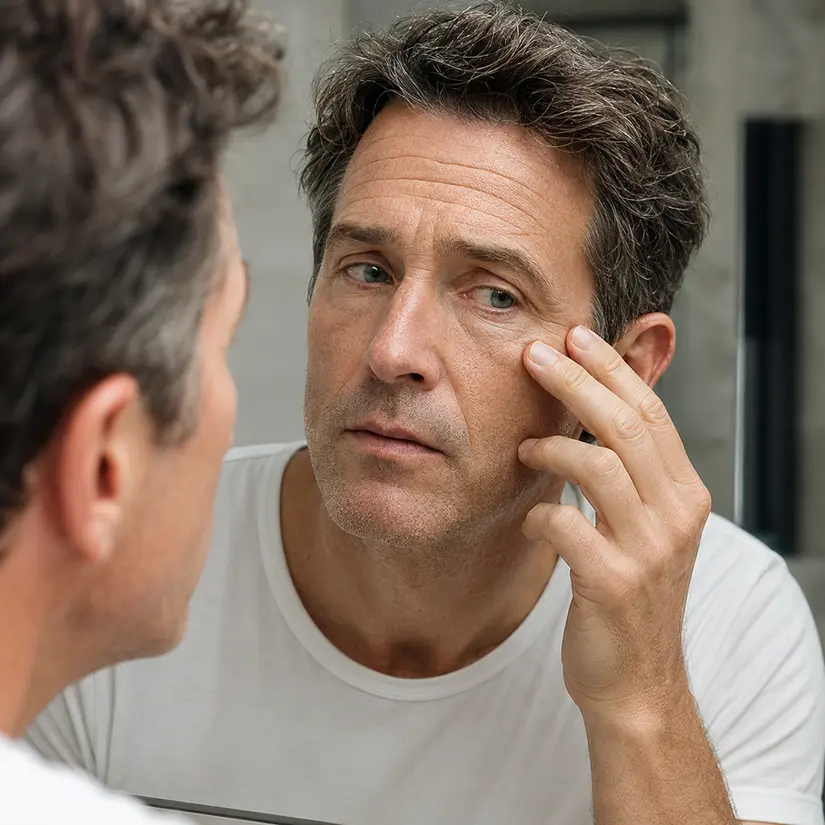
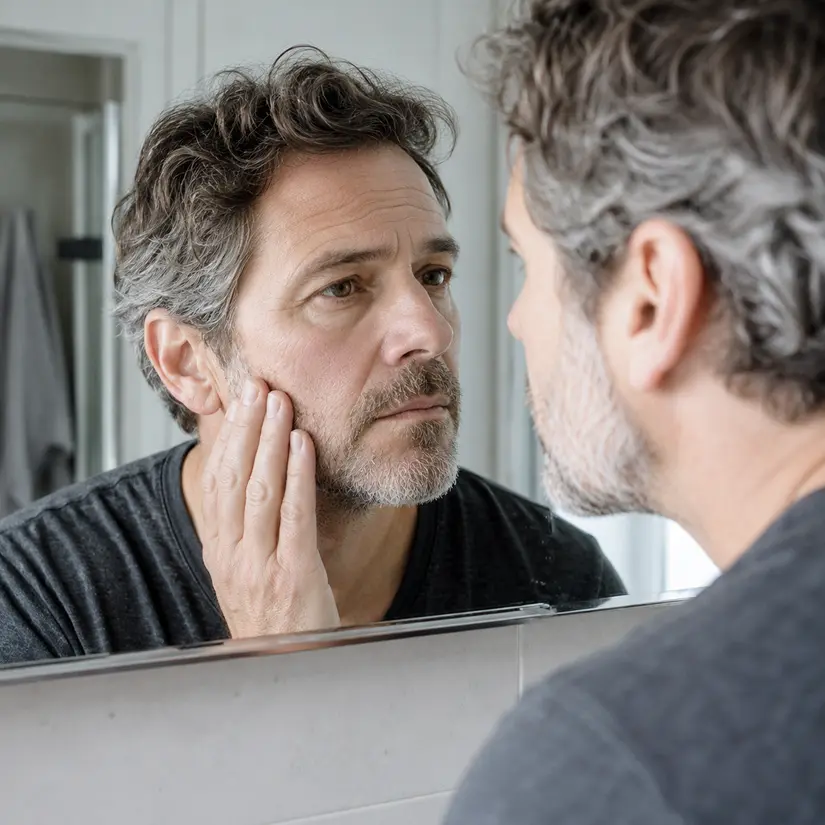
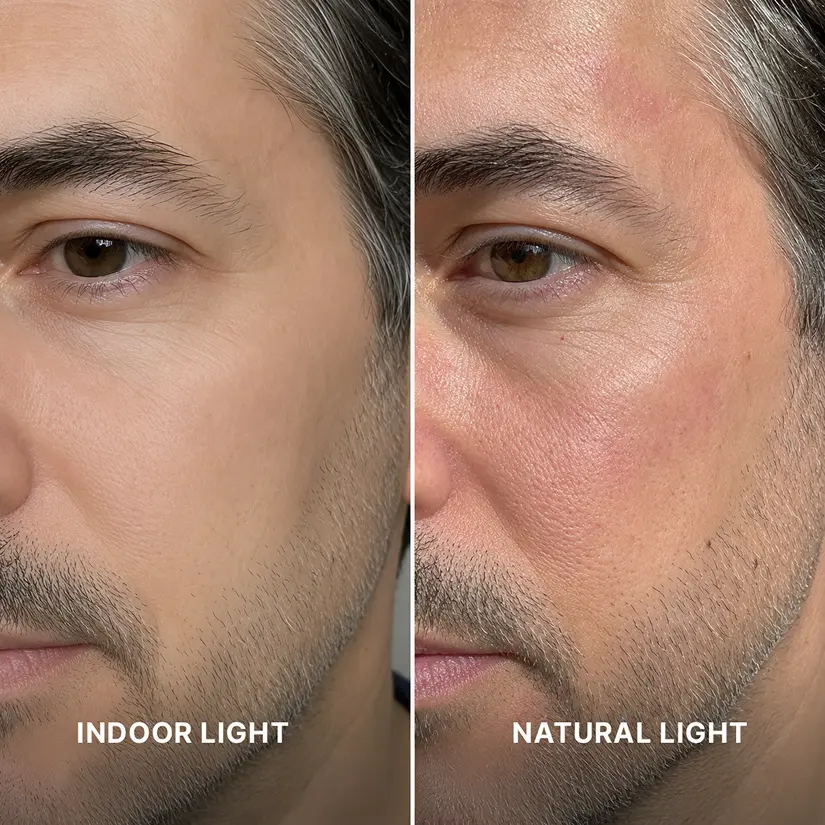
But a growing number of dermatologists are noticing something unsettling in their long-term retinol patients: skin that looks thin, fragile, and older under natural light.
Here’s what actually happens when you use retinol products consistently for years.
Retinoids speed up cellular turnover, forcing your outer skin layer to regenerate faster than it naturally would. In the first few months, this creates a “glow” as dead cells slough off.
But your skin doesn’t have infinite capacity to keep up with that demand.
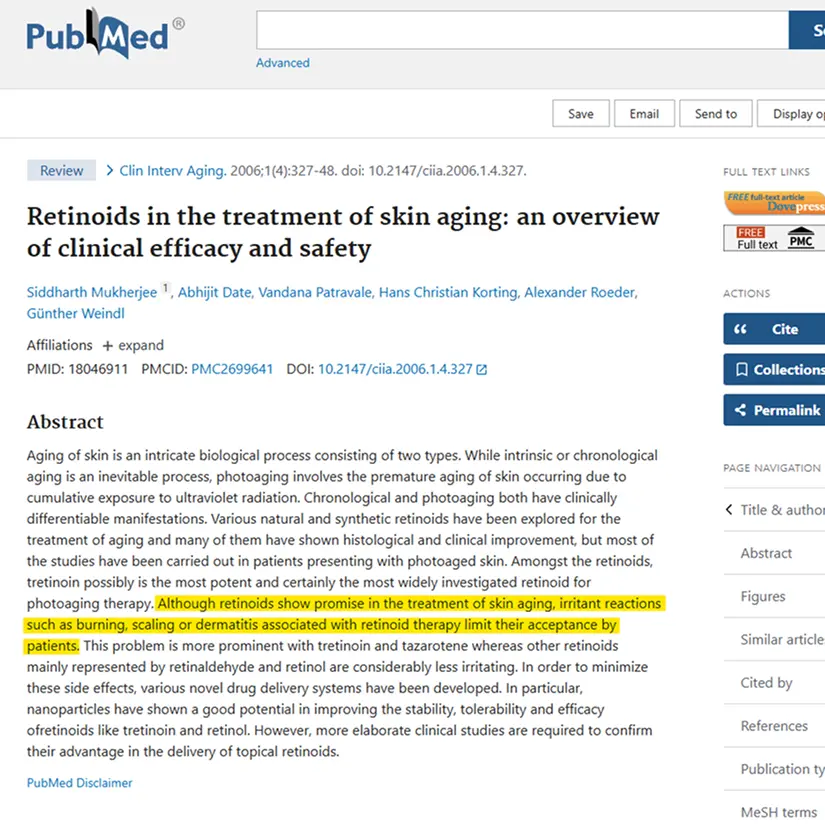
A 2006 review in Clinical Interventions in Aging noted the tradeoff many retinoid users eventually recognize: while retinoids can improve visible signs of aging, irritation reactions such as burning, scaling, and dermatitis can limit real-world use.
That is the practical “retinoid paradox” for many men: the smoother look can come with skin that feels more reactive.
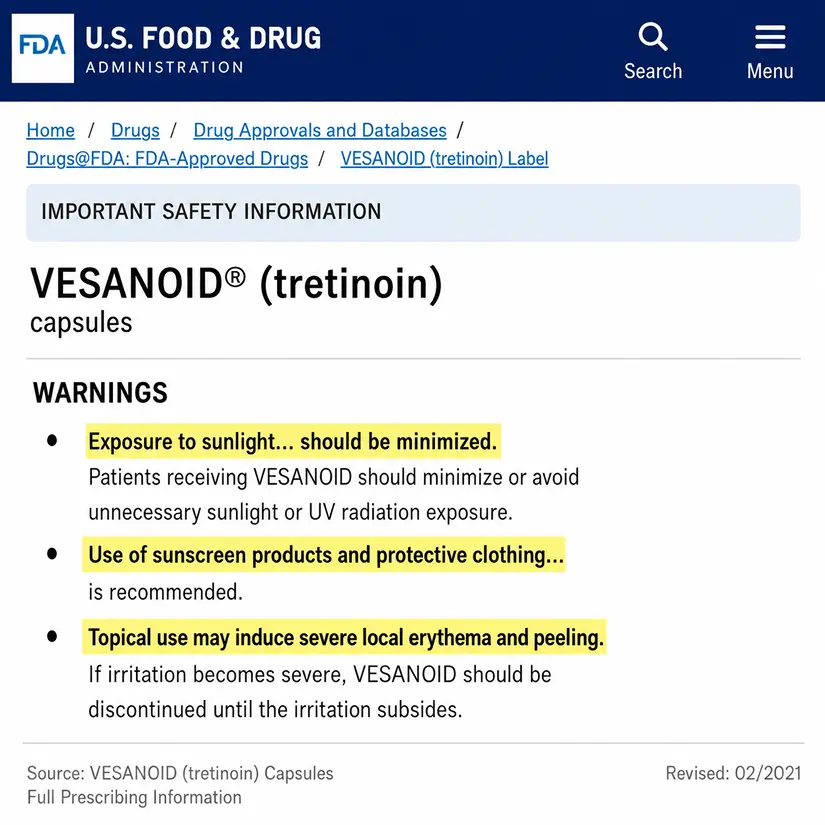
FDA-approved prescription retinoids carry explicit warnings about sun exposure and local irritation. Most casual anti-aging users never read them.
The reason the warnings exist: retinoids can leave the outer layer more reactive during use, especially when irritation, peeling, and UV exposure overlap.
A landmark 1986 study in the Journal of the American Academy of Dermatology found that tretinoin-treated skin showed increased water loss, permeability, and reactivity during treatment. This is the exact reason dermatologists emphasize careful use, barrier support, and sun protection.
But here’s what many casual users miss: irritation, photosensitivity, and barrier stress can make aging skin look worse in real-world light. This is especially true when men keep increasing strength instead of backing off.
Some barrier-focused clinicians describe the same pattern again and again: men chase the “retinol glow,” then realize their skin looks red, tight, reactive, or fragile under daylight.
The shift started about three years ago, mostly in private practice.
Some barrier-focused dermatology providers began steering irritated long-term retinoid users toward something radically different.
Not a newer synthetic. Not a peptide serum or a “retinol alternative” with the same mechanism under a different name.
Grass-fed beef tallow.
If that sounds absurd, you’re not alone. Most patients laugh when they first hear it.
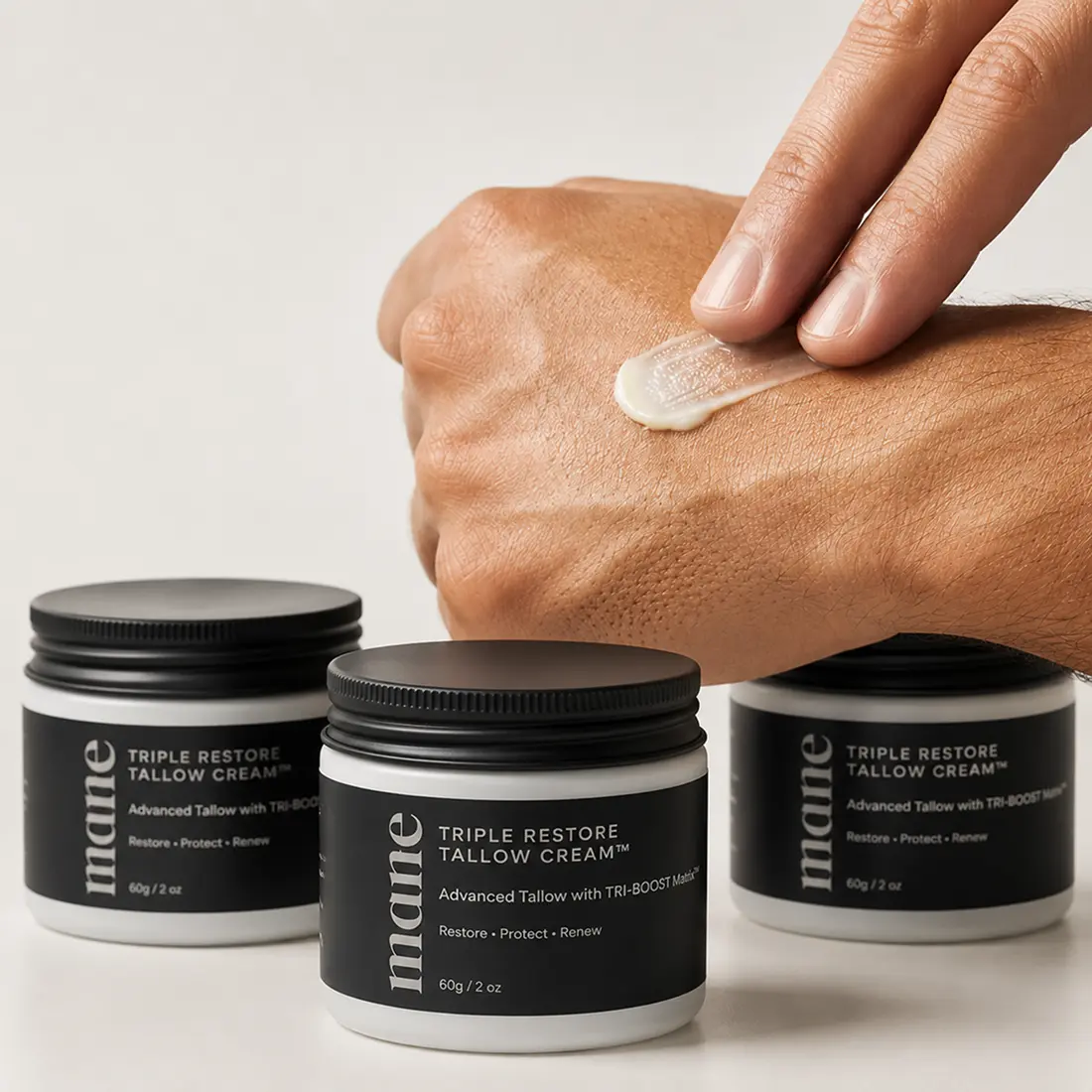
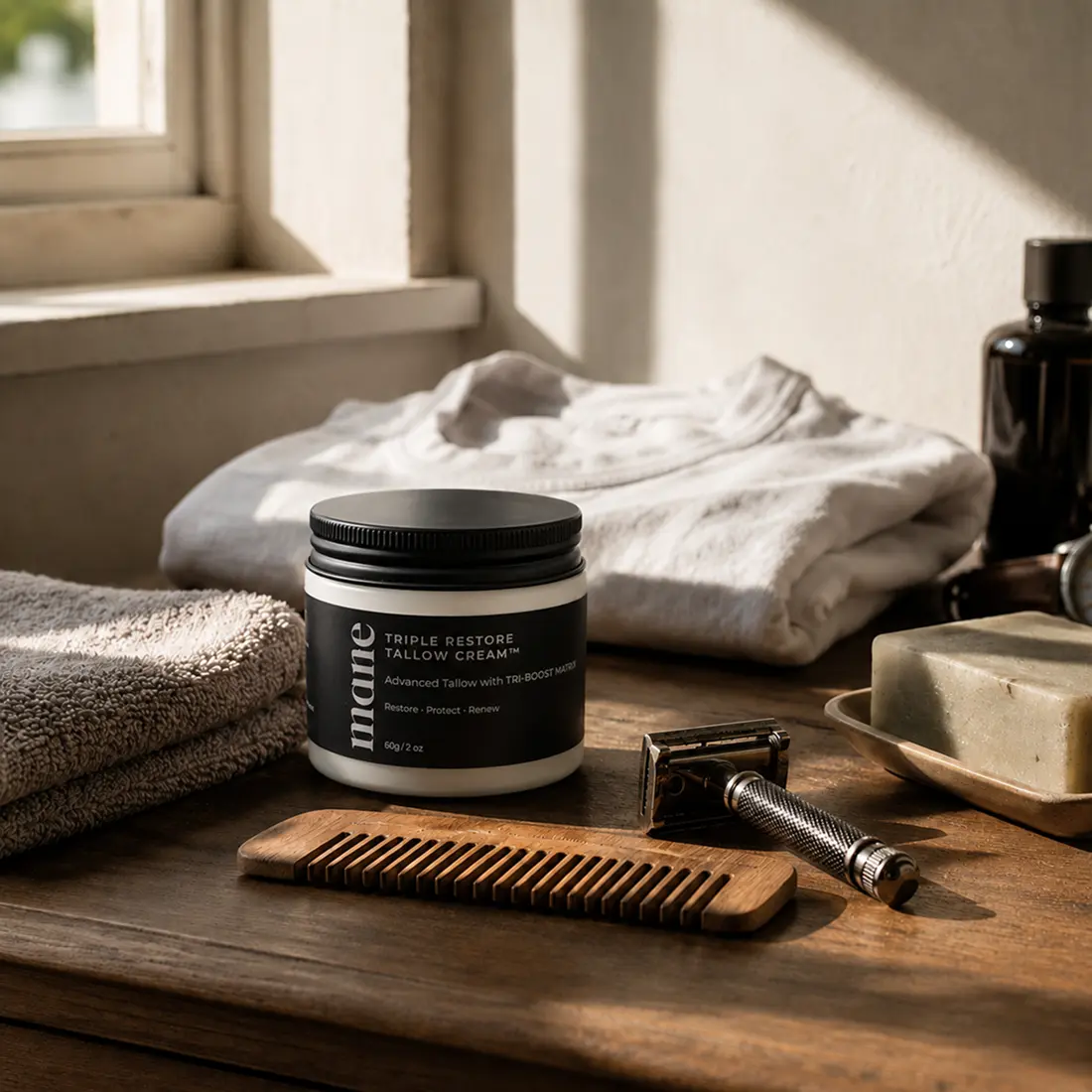
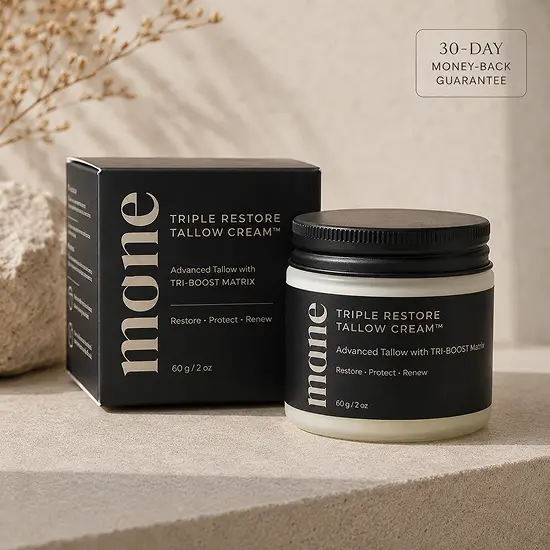
But one newer men’s formula, Triple Restore Tallow Cream, has started getting attention because it takes the old tallow approach and modernizes it for aging male skin.
The reason becomes clearer once you understand the biochemistry.
Before the cosmetics industry synthesized retinoids in the 1970s, humans used animal fats to protect and restore skin for thousands of years. Tallow was the default.
Then retinol arrived, backed by pharmaceutical marketing budgets and clinical trials. Tallow was dismissed as “old-fashioned” and “unscientific.”
But in the last five years, small brands like Vintage Tradition, Buffalo Gal Grassfed Beauty, and Primal Derma have built cult followings by reviving tallow formulations.
Their customers report results that retinol never delivered: stronger-feeling skin, fewer visible fine lines, less irritation, and less day-to-day reactivity.
Dermatologists started paying attention when the biochemistry checked out.
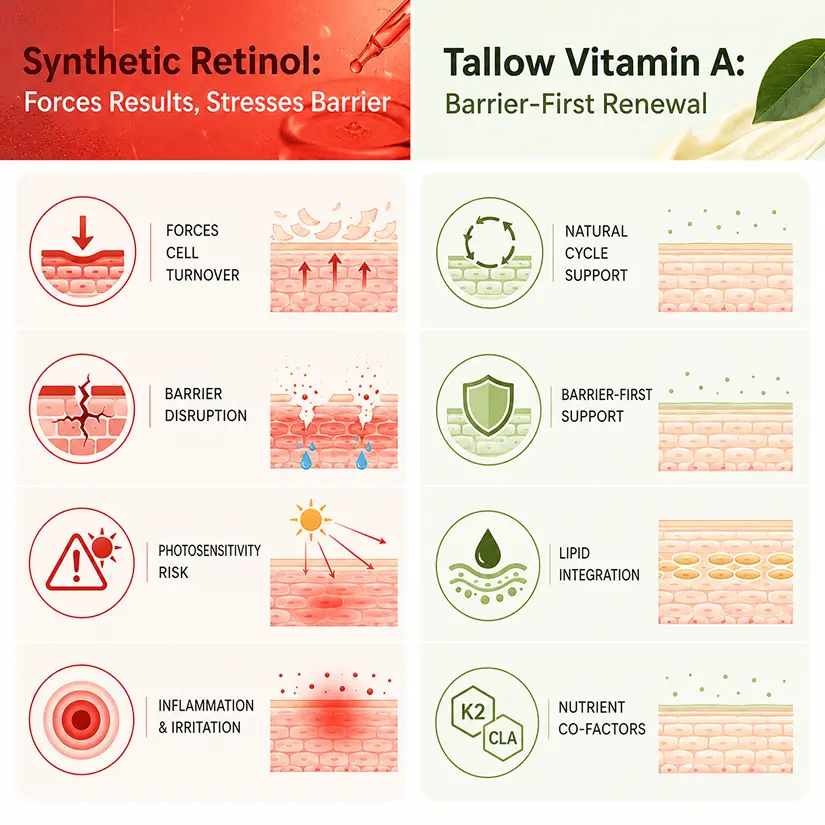
Both tallow and retinol deliver vitamin A to your skin. But the form, the delivery, and the co-factors are completely different.
Grass-fed tallow brings lipid support and naturally occurring fat-soluble nutrients, while the formula adds retinyl palmitate (a gentler vitamin A derivative) to support renewal without relying on the same aggressive turnover pathway as prescription retinoids.
Tallow does not work through the same forced-turnover pathway as prescription retinoids. It is designed to support the lipid barrier first, while delivering a gentler vitamin A pathway.
But the real advantage isn’t just the vitamin A.
Tallow’s fatty-acid profile overlaps with key skin-surface lipids, which is why barrier-focused formulators use it as a replenishing base rather than a simple surface moisturizer.
It also delivers vitamin K2, conjugated linoleic acid (CLA), and other fat-soluble nutrients that synthetic retinol products simply don’t contain.
The result: you get cellular renewal that works with your skin biology, not against it.
One product kept appearing in dermatology forums and private practitioner recommendations over the past 18 months: Triple Restore Tallow Cream.
Engineered specifically for men’s aging skin, it combines 100% grass-fed tallow with what the formulators call the TRI-BOOST MATRIX: ceramides (to rebuild your skin’s protective barrier), squalane (to lock in hydration for 24 hours), and retinyl palmitate (the gentle vitamin A form amplified in the formula).
Unlike basic tallow balms from heritage brands, Triple Restore was formulated with a clinical understanding of what aging male skin actually needs: barrier reconstruction, not just moisture.
The TRI-BOOST MATRIX creates what formulators call “amplified restoration.” Each active makes the others work better, so instead of three separate benefits, you get compounding results that improve over time.
Different renewal pathway. Barrier-first support. Less daily irritation.
I started recommending this formulation to a small group of patients about 4 months ago.
Here’s what I documented.
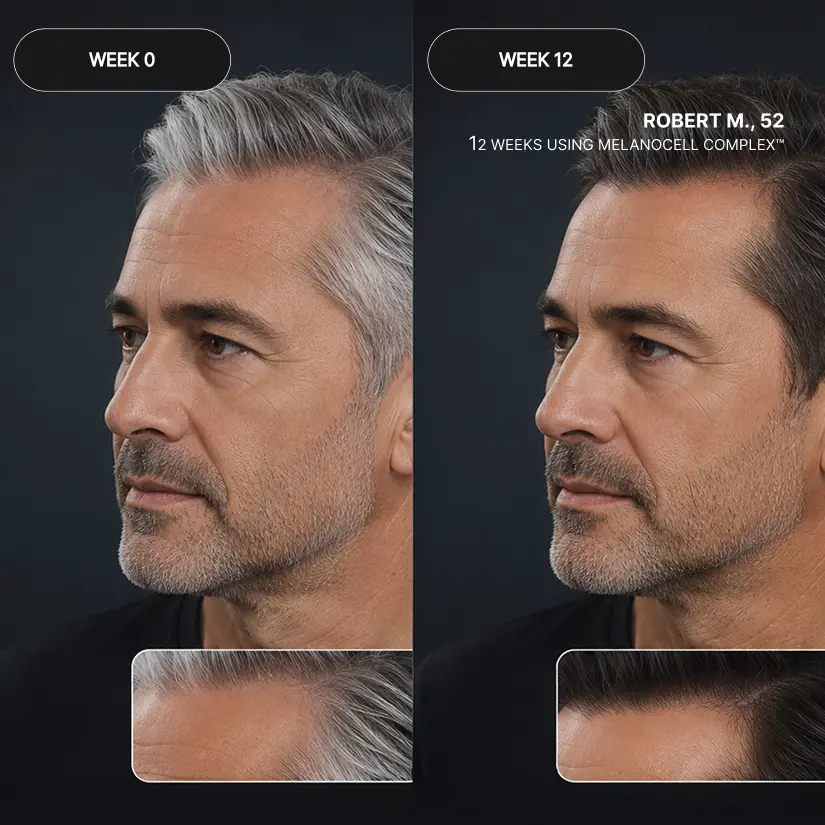
Case 1: Robert M., 52, Sales Executive
Started with approximately 40% gray coverage, primarily at temples and crown.
Complained that “every photo makes me look 10 years older than I feel.”
After 6 weeks: visible darkening at the root line, new growth showing increased melanin activity.
After 12 weeks: gray coverage reduced to approximately 20%, most noticeable improvement at temples where new growth is maintaining natural pigment.
His quote: “People keep asking if I’m dyeing it. I’m not. The pigment is just coming back.”
Case 2: Michael T., 47, Attorney
Early-stage graying, maybe 15% coverage but accelerating rapidly.
Had been using a progressive darkening shampoo for 8 months, noticed the gray was spreading faster.
Switched to the MELANOCELL formula.
After 4 weeks: shedding decreased noticeably, first signs of melanin activity at roots.
After 10 weeks: gray progression stopped, existing gray strands showing darkening from root outward.
His feedback: “Wish I’d found this before wasting a year on that other stuff.”
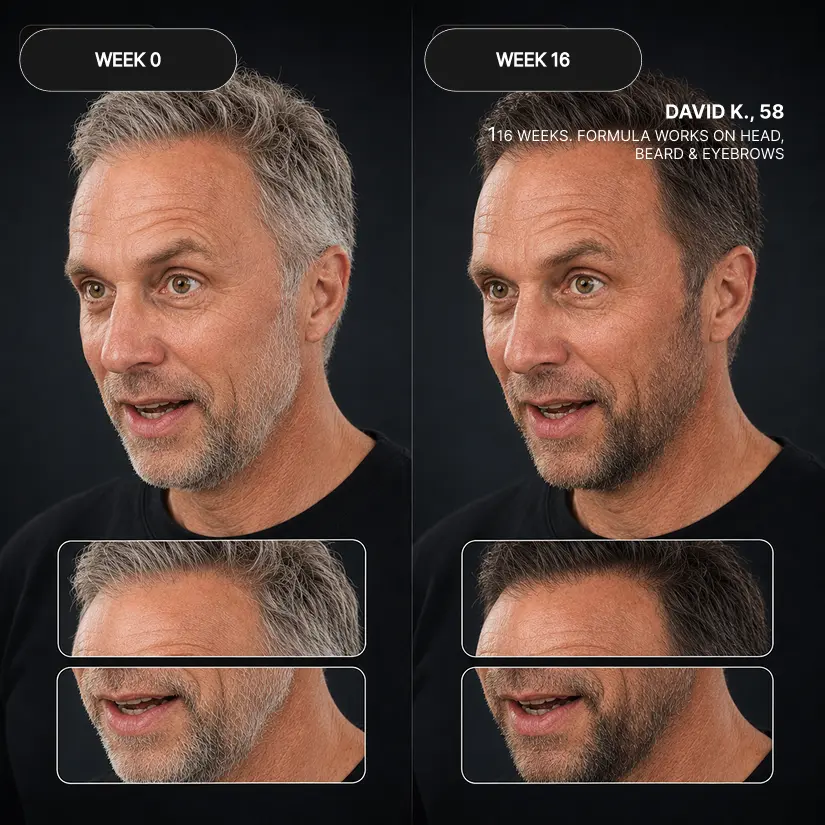
Case 3: David K., 58, Retired Military
Advanced graying, approximately 60% coverage including full beard.
Skeptical but willing to try for 12 weeks.
After 8 weeks: significant darkening visible in beard first, then scalp.
After 16 weeks: gray coverage reduced to approximately 35%, hair texture noticeably improved.
Most interesting: his eyebrows, which he wasn’t specifically treating, also showed increased pigment production because he was massaging the formula through all areas.
Case 4: James H., 43, Tech Consultant
Premature graying since late 30s, had tried multiple drugstore solutions with no results.
Hair felt dry and damaged from years of harsh formulas.
After 3 weeks: noticed hair felt healthier, less brittle.
After 7 weeks: clear melanin activity at roots, particularly noticeable because his hair is dark brown naturally.
After 14 weeks: continues to see progressive darkening, gray reduced from ~35% to ~18%.
His comment: “The hair health improvement alone made it worth it. The natural pigment return is a bonus.”
James H., 45, had used prescription Retin-A for seven years.
“My dermatologist told me it was the gold standard,” he said. “But my skin always felt raw. I couldn’t go outside without sunscreen, even in winter. And under certain lighting, I looked older than I did before I started.”
He switched to Triple Restore Tallow Cream after his derm suggested he “take a break” from retinoids. Within four weeks, the redness was gone. By week six, the fine lines around his eyes had softened without the fragile, papery texture he’d developed on Retin-A.
“My skin actually feels strong again,” he said. “Not tight. Not thin. Just healthy.”
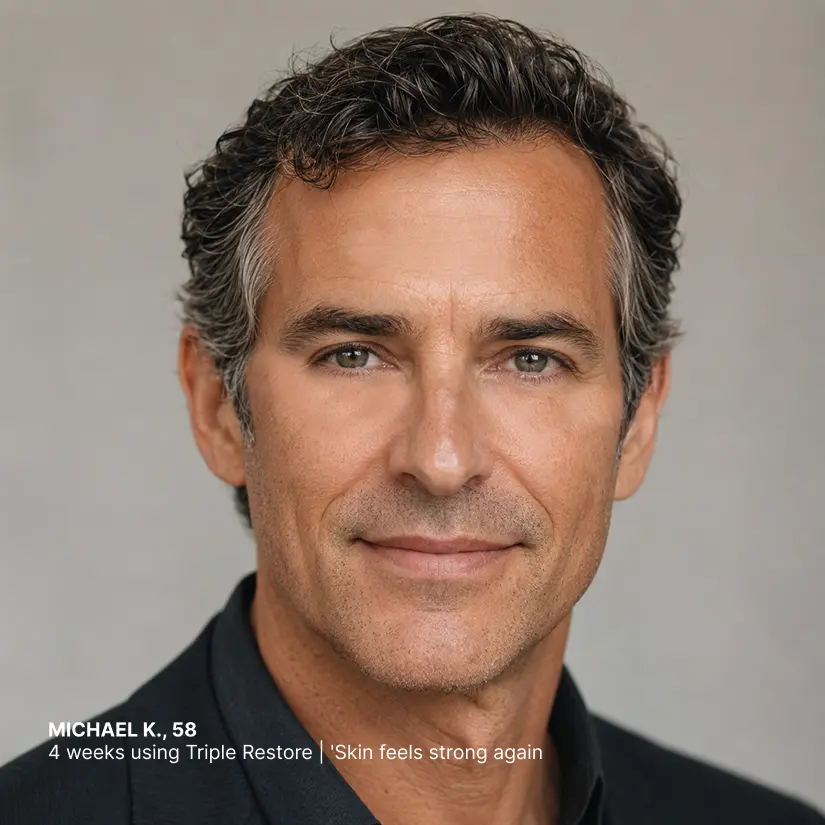
Michael K., 58, had a similar experience after years of over-the-counter retinol serums.
“I kept chasing the next percentage, the next formula,” he said. “1% retinol, then 2%, then adding a serum on top of a cream. My skin looked worse every year.”
Four weeks into using Triple Restore, the deep wrinkles around his mouth had softened. “The difference is my skin doesn’t feel thin and fragile anymore. It feels like it did 10 years ago.”
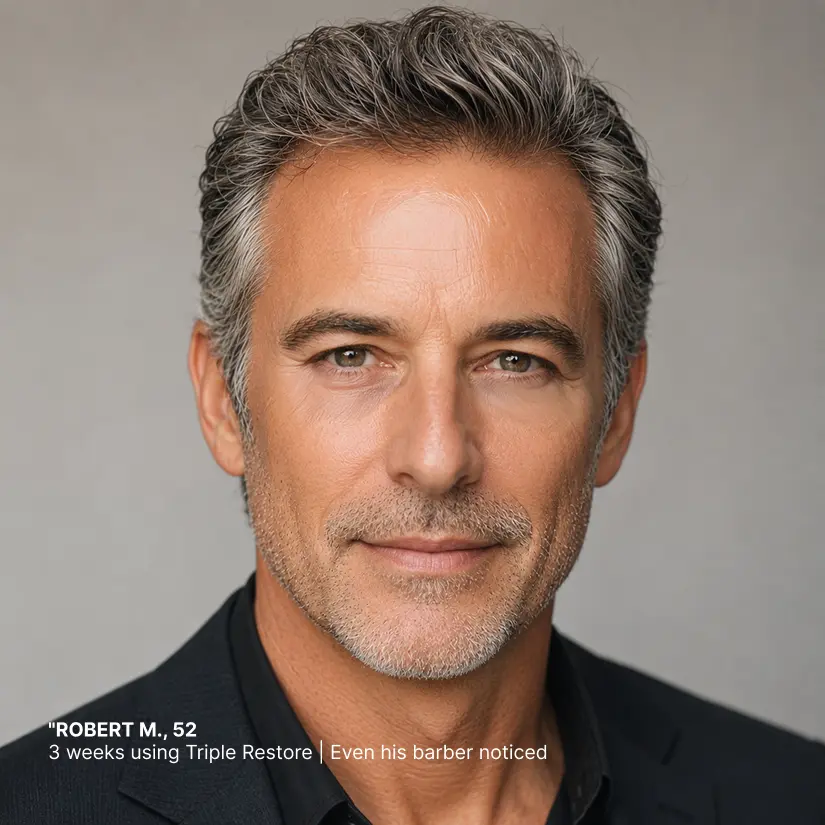
Robert M., 52, noticed his barber commenting on his skin after three weeks.
“I wasn’t even trying to fix wrinkles,” he said. “I just wanted something that didn’t irritate my face. But my wife noticed the lines around my eyes looked softer. Even my barber said my skin looks healthier.”
If you’re using prescription tretinoin, adapalene, or tazarotene, talk with your dermatologist before changing your routine.
If you’re using over-the-counter retinol and your skin feels tight, flaky, or reactive, many men start with a short barrier-reset period: pause aggressive actives, simplify the routine, and focus on lipid support.
At night, apply a small amount of Triple Restore Tallow Cream to clean, dry skin. The goal is not to force a peel. It’s to help skin feel calmer, stronger, and better supported.
Expect a “reset” phase in the first week. Your skin may feel different as it adjusts from synthetic retinoids to bioavailable tallow-based vitamin A. This isn’t a purge. It’s recalibration.
By week three, many men report calmer-feeling skin, better texture, and less visible redness.
By weeks five to six, the most common feedback is that skin looks smoother and feels more resilient. No tight, overworked feeling like they associated with retinol.
The retinol-to-tallow movement isn’t just about fixing damage from synthetic retinoids.
It’s about a smarter approach to aging skin, period.
If you’re over 40 and you’ve never used retinol, that’s actually an advantage. Your skin’s barrier is intact.
Triple Restore Tallow Cream can work with your natural regeneration cycle instead of repairing damage caused by forced turnover.
You get the anti-aging benefits (smoother texture, softer fine lines, stronger skin) while supporting your skin’s existing barrier function.
And if you have used retinol for years, switching now gives your skin a chance to rebuild what retinoids may have stressed.
Men who make the switch often say the same thing: “I wish I’d stopped chasing stronger retinol sooner.”
Retinol built the anti-aging industry. But the long-term trade-offs are becoming impossible to ignore.
Grass-fed tallow delivers vitamin A benefits through a different pathway. One that prioritizes barrier support over forced turnover.
Triple Restore Tallow Cream takes that ancestral approach and amplifies it with ceramides, squalane, and retinyl palmitate, creating a formula that restores aging skin at three critical levels: barrier reconstruction, 24-hour hydration lock, and gentle cellular renewal.
Different renewal pathway. Barrier-first support. Skin that feels stronger, not stressed.
Mukherjee S, Date A, Patravale V, Korting HC, Roeder A, Weindl G. “Retinoids in the treatment of skin aging: an overview of clinical efficacy and safety.” Clinical Interventions in Aging. 2006;1(4):327-348. doi:10.2147/ciia.2006.1.4.327.
U.S. National Library of Medicine. “Tretinoin Cream: Prescribing Information.” DailyMed. Accessed May 2026.
Kligman AM, Grove GL, Hirose R, Leyden JJ. “Topical tretinoin for photoaged skin.” Journal of the American Academy of Dermatology. 1986;15(4 Pt 2):836-859. doi:10.1016/S0190-9622(86)70242-9.
Limmatvapirat C, et al. “Beef tallow: Extraction, physicochemical property, fatty acid composition, antioxidant activity, and formulation of lotion bars.” Journal of Applied Pharmaceutical Science. 2021;11(9):018-028.
Picardo M, Ottaviani M, Camera E, Mastrofrancesco A. “Sebaceous gland lipids.” Dermato-Endocrinology. 2009;1(2):68-71.
Milosheska D, Roškar R. “Use of Retinoids in Topical Antiaging Treatments: A Focused Review of Clinical Evidence for Conventional and Nanoformulations.” Advances in Therapy. 2022;39:5351-5375.
Offer valid while supplies last. Backed by 10,000+ 5-star reviews.
Marcus D@marcusd
Game-changer for body grooming. No more razor burns or spending forever in the shower. Spray, wait, wipe, done. Skin feels amazingly smooth, not irritated like with razors.
Andrew M.@andrewm_000
Works everywhere I need it to. Back, chest, legs. No more awkward shaving positions or missed spots.
Robert K.@rob_k
My chest hair is super thick and razors always caused irritation. This spray handles it easily. No ingrown hairs, no razor burn. Actually saves me time and hassle.